The Myth of the Perfectly Planned Saturday
A perfectly planned Saturday can leave little room for its best moments. Learn how to protect open space without turning the day into another itinerary.
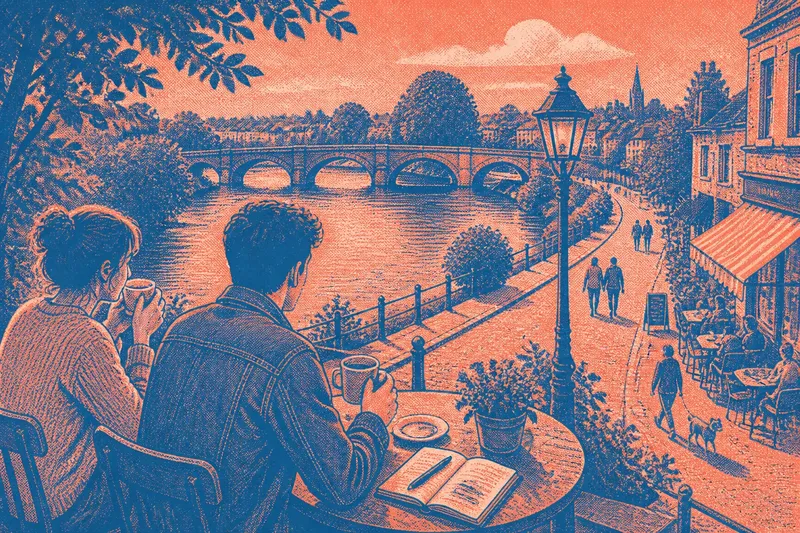
A perfectly planned Saturday can leave you watching the clock instead of noticing the day. The trouble is not having plans; it is expecting every good moment to arrive on schedule. A useful weekend has enough shape to get going and enough open space for something unplanned to matter.
Why does a full Saturday feel strangely thin?
When each hour has a job, every pleasant detour starts to look like a delay. A slow coffee becomes a threat to the market visit. A conversation runs long and puts lunch behind. The day may contain plenty, yet your attention is already travelling to the next item.
This is the quiet cost of overplanning: not simply fatigue, but the sense that the day is being managed from outside. You can be with friends, browsing a bookshop or walking beside the river, while mentally checking whether the next stop still fits.
Plans also create a subtle expectation that each activity must justify its place. If the bakery is busy or the weather turns, the outing can feel like a failed plan rather than an ordinary change of circumstances. Saturdays are not production schedules, though they are often treated with similar optimism.
What counts as open space?
Open space is time without a preassigned outcome. It is not necessarily an empty house or a day without commitments. It can sit between two plans, or appear when you decide that one part of the day is allowed to remain undecided.
The distinction is practical. “We will go to the park, then have lunch at the café, then visit the garden centre” is a sequence. “We will go out in the morning, then see what we feel like” gives the outing a starting point but not a compulsory sequel.
That freedom works best when it is deliberate. If every plan is cancelled at the last moment, open time may feel less like room to breathe and more like a day that never quite began. A loose boundary—a morning outing, a shared meal, or a return home before evening—can give the day enough shape without assigning every hour a task.
How can you leave room without making an itinerary?
Think in terms of anchors and gaps. An anchor is one thing you genuinely want to do or need to attend. A gap is the time you refuse to fill in advance. You do not need to calculate its length; the point is that no second plan is waiting to claim it.
- Choose one main anchor. Pick the outing or commitment that would make the day feel worthwhile on its own.
- Keep nearby options optional. A café or bookshop can be a possibility, not the next mandatory stop.
- Leave transitions loose. Travel, food and small delays take time. Avoid treating them as blank spaces available for another errand.
- Agree on a stopping point. Decide when you would rather head home than keep adding activities.
- Let energy have a vote. If the group is content to sit on a bench, that may be the day working as intended.
Say you and a friend have booked a morning pottery class across town. You decide beforehand that the class is the day’s only fixed plan, and leave the afternoon unassigned. If you finish hungry, you might find lunch nearby; if you are ready to go home, you can. The expected observable result is not a more memorable Saturday on command, but fewer moments spent rushing to preserve a second appointment.
What if other people want different amounts of structure?
Different appetites for planning can make an open afternoon feel either restful or unsettling. One person may enjoy choosing as they go; another may want to know when they will eat and how they will get home. Neither preference needs to be turned into a debate about who understands weekends properly.
Settle the parts that affect everyone, then leave the rest open. You might agree on a meeting place and a time to check in, while avoiding a fixed chain of activities. For a group with children, older relatives or access needs, practical arrangements can make the free portion easier to enjoy. Making room for flexibility is not the same as ignoring someone’s comfort.
It can also help to say what “open” means in advance. It might mean choosing between two nearby options after the main outing, or it might mean heading home without squeezing in another stop. A shared expectation prevents one person from treating every pause as a prompt to produce the next attraction.
Why do the unplanned details stay with us?
People often remember a day through a detail rather than its itinerary: the peculiar shape of a cloud, a neighbour’s dog settling beside the table, or a conversation that wandered somewhere unexpected. Such moments are hard to schedule because their value is not apparent beforehand.
Open space gives attention a chance to settle on what is actually happening. That does not make every pause meaningful. Sometimes you wait for a bus and feel bored. This, too, is allowed; free time need not defend itself by producing a story.
What is not worth the effort is trying to manufacture spontaneity with a list of “surprise” activities. That is merely planning in a disguise with a slightly different hat. Leave one part genuinely undecided and let the day supply, or fail to supply, its own small detail.
How do you tell whether the balance is right?
There is no ideal amount of structure for every Saturday. A day with a family gathering or a long journey may need more coordination; a quiet weekend at home may need almost none. The useful question is whether your plans help you be present, or keep pulling your attention away from the thing in front of you.
If the day ends with a little room to remember what happened, rather than a precise count of what you managed, the balance may suit you. The myth of the perfectly planned Saturday is that every good hour must be accounted for. In practice, one clear anchor and a stretch of unclaimed time can be enough to let the day feel like yours.